
Menu
Tips for Pouring Concrete Over Existing Surfaces in New Haven
Pouring Concrete New Haven
Renovating your property near Yale University or the East Rock neighborhood often involves concrete work, and pouring concrete over existing surfaces can be an excellent, cost-effective solution. Our team at New Haven Concrete Company has extensive experience working throughout Connecticut, helping homeowners and businesses achieve durable, long-lasting concrete installations that meet all local building codes.
Understanding New Haven’s Concrete Requirements
Before engaging in a concrete project in New Haven, it is necessary to understand the local regulations; the City of New Haven operates under the 2022 Connecticut State Building Code, which requires permits for virtually all concrete installations. Permit applications are processed by the Building Department located at 165 Church St., and typically have to be approved within thirty (30) days after the date of submittal.
When Permits Are Required
A majority of concrete overlay projects require building permits; this requirement generally exists when structural components are included or when size limits are exceeded. The state of Connecticut building codes establish minimum thickness requirements for driveway and sidewalk concrete; the typical thickness for residential driveways is four (4″) and five (5″) for sidewalks.
Our company will ensure that all of its concrete overlay work conforms to Connecticut building codes, including obtaining required permits before commencing any project.
Evaluating Your Existing Surface
In order to successfully pour concrete, an evaluation of the existing substrate is crucial. Regardless if you’re located near the historic New Haven Green or in the Westville area, the foundation must be structurally sound and appropriately prepared.
Evaluation of the Existing Surface
Prior to any concrete overlay work, we evaluate the existing surface for cracks, settlement, or degradation. Typically, small cracks can be repaired; however, significant structural damage may necessitate total removal of the existing surface. The existing surface must be clean, level, and free of oil stains, loose material, and/or standing water.
Drainage Consideration
The need for proper drainage increases exponentially when performing concrete overlay work. As Connecticut’s climate produces substantial precipitation on an annual basis, managing water flow is paramount. We ensure sufficient slope and drainage systems to preclude the possibility of water accumulating and compromising the newly installed concrete.
Techniques for Preparing Concrete Overlays
The success of any concrete overlay project directly correlates with the quality of preparation. Our experienced staff will follow the requirements of the Connecticut State Building Code while incorporating the industry’s “best practice” for preparing substrates.
Cleaning and Preparing the Surface
Removal of debris, stains, and loose materials is required to prepare the existing surface. We utilize pressure washing, chemical cleaning, and mechanical preparation as deemed necessary. Before the installation of the new concrete, the existing surface must be roughened to allow for the creation of a bond between the old and new concrete.
Applying Bonding Agents
The application of professional bonding agents creates a superior adhesive relationship between the existing surface and the new concrete. Based on the condition of the substrate and the intended use of the concrete, we select the most suitable bonding system.
This particular consideration is extremely important in those areas proximate to Long Island Sound, as salt exposure can degrade the durability of the concrete.
Best Practices for Mixing and Pouring Concrete Overlays
Successful concrete overlays depend on both the specific mix design and the pouring technique used. Our staff utilizes established procedures that were developed through their extensive experience working in the entire New Haven metropolitan area.
Selecting Mix Designs
Concrete mix designs for overlays are often modified compared to standard installations. Depending on the type of overlay being installed, we will adjust the water-cement ratio, include additives to enhance bonding, and select the proper aggregate sizes for the overlay thickness. Due to Connecticut’s freeze-thaw cycle, air-entrained concrete is recommended for increased durability.
Placing and Finishing
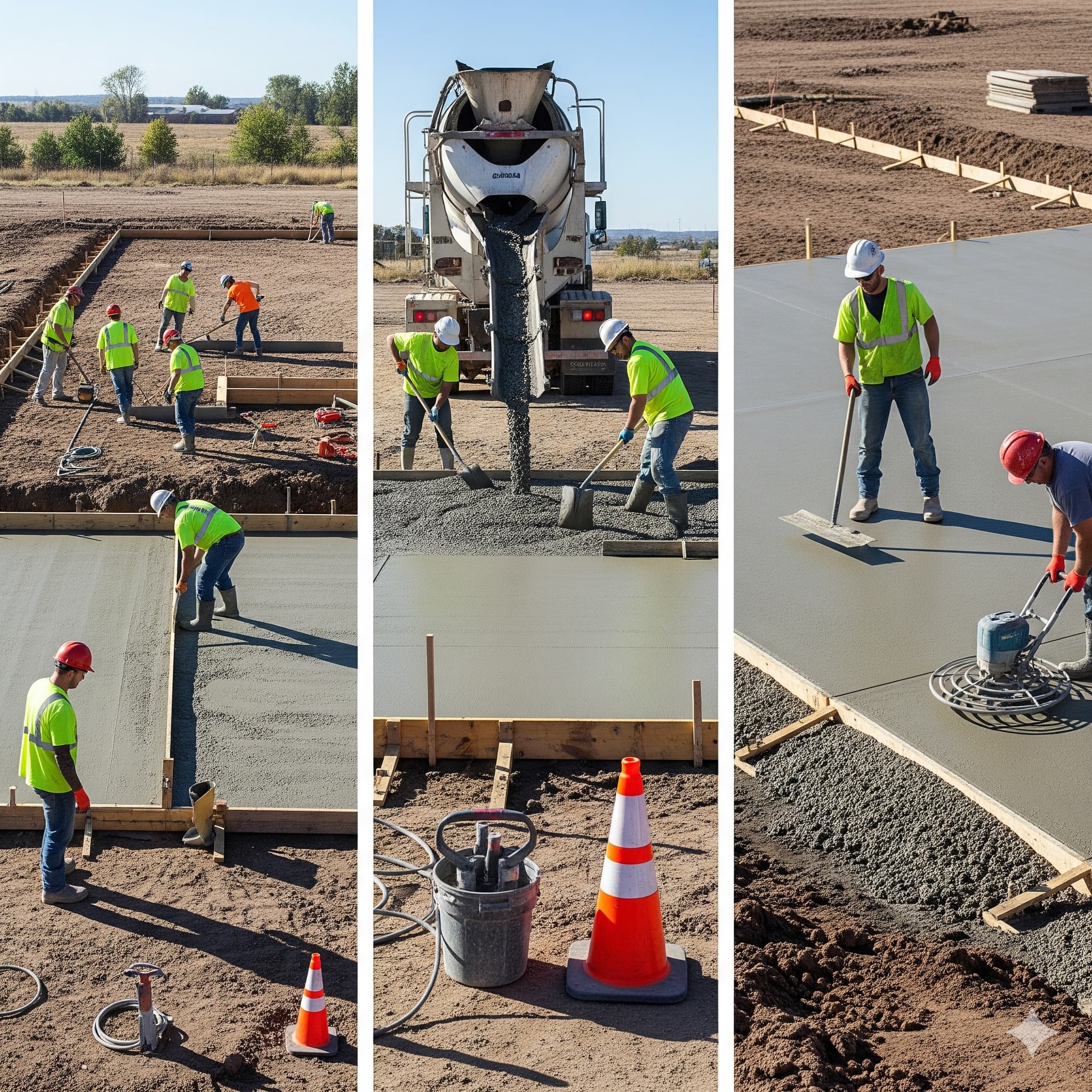
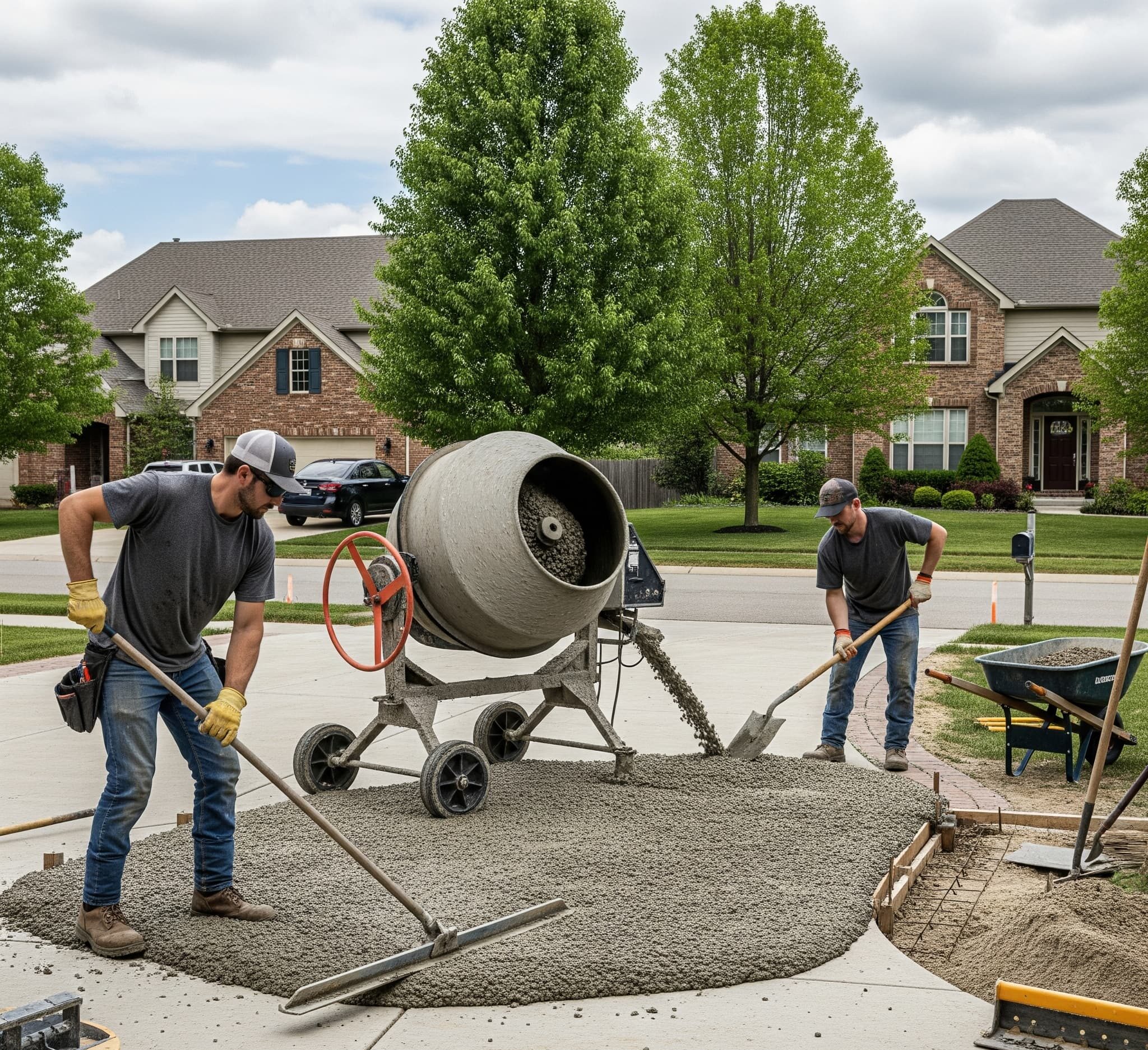
Proper placement of the concrete avoids segregation and provides uniform coverage. We will work methodically to provide uniform thickness while preventing cold joints. Utilizing proper finishing techniques will produce the desired finish while providing adequate time for the concrete to achieve its specified strength.
Challenges and Solutions
Concrete overlay projects present many challenges that require experienced solutions. Our staff encounters many diverse situations throughout New Haven County and has developed effective solutions for each situation.
Minimum Thickness Limits
As previously mentioned, overlays must provide a balance between the structural requirements and the physical limitations. A minimum thickness is required to provide the necessary strength, while a maximum thickness is limited by weight and height issues. We will determine the optimal thickness for each project, based upon intended use and existing conditions.
Temperature Control
Due to Connecticut’s varying climate, the curing of concrete can be affected. We continuously monitor the temperature and use appropriate curing methods to ensure the concrete achieves its specified strength. During cold weather, special precautions are necessary, while during warm weather, different protective strategies are utilized.
Quality Control and Inspection
Ensuring the long-term performance of a concrete overlay project involves professional quality control and inspection. Our systematic approach includes multiple inspection points throughout the process.
Pre-Pour Inspection
Before placing the concrete, we verify that the surface has been prepared, the bonding agent has been applied, and adequate drainage exists. In addition, we check all materials and equipment to ensure readiness for successful installation.
Monitoring Post-Installation Activities
During the curing phase, continuous monitoring of the concrete temperature, moisture levels, and protection methods is necessary. Once cured, we perform a final inspection to verify that the finished surface meets all of the specifications and complies with the Connecticut State Building Code.
Maintaining the Performance of the Concrete Overlay
Maintenance is essential to extend the life of a concrete overlay project. Our recommendations for maintaining your concrete overlay will assist you in protecting your investment for years to come.
Seasonal Maintenance
Connecticut’s winters require specific care to maintain the integrity of the concrete overlay. We recommend sealing the concrete surface prior to the onset of winter and utilizing de-icing materials that do not harm the concrete. Additionally, regular cleaning and inspections will enable us to identify any potential problems early.
Preventative Maintenance
Preventative maintenance is designed to avoid costly repairs. Regularly sealing the concrete surface will prevent moisture penetration and chemical damage. Repairing minor cracks immediately will prevent the crack from expanding and potentially compromising the structural integrity of the concrete.
If you are seeking professional concrete overlay services in the New Haven and surrounding areas, rely on our experienced staff to provide quality work that meets all local regulations. Please contact New Haven Concrete Company today to discuss your project requirements and schedule a site visit to evaluate your concrete overlay options.
LATEST POSTS