
Menu
Year-Round Concrete Maintenance Tips for New Haven Homeowners
Tips for Maintaining Concrete Surfaces in New Haven
At New Haven Concrete Company, we know that the longevity of your concrete surfaces depends not just on quality installation, but also on proper maintenance. New Haven’s diverse climate, from humid summers to freezing winters, presents unique challenges for concrete care. In this blog post, we’ll guide you through season-specific maintenance tips to keep your concrete looking great and lasting longer.
Spring: Refresh and Repair
As the weather warms up and snow melts, now’s the time to take stock of what happened over the winter and get ready for the warm weather.
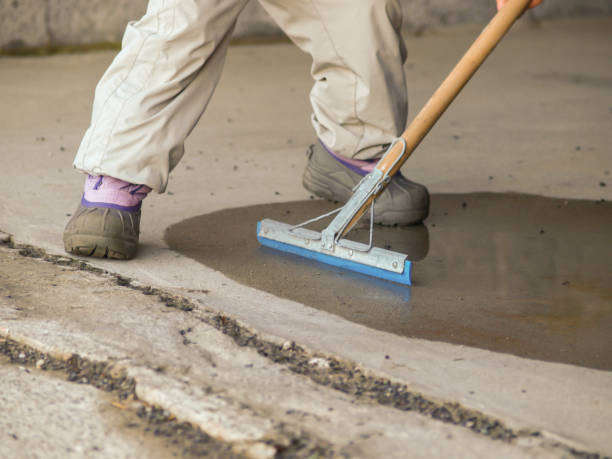
1. Thorough Cleaning
Clean all of your concrete surfaces with a pressure washer to clean off the dirt, grime, and salt that accumulated during the winter. You’ll want to use a neutral pH cleaner so you don’t harm the concrete.
2. Assess for Damages
Take a look at your concrete for any damage from the repeated freeze-thaw cycles. Note where there are chips, cracks, or spalling for a professional to evaluate.
3. Seal Small Cracks
It’s essential to treat small cracks right away so that they do not become large problems when water gets into them. There are many different types of concrete sealants available for purchase; make sure you select one that is flexible enough to accommodate the wide temperature swings in New Haven.
4. Check Your Drainage
Check your water flow to ensure that your water does not collect on your concrete surfaces after it rains. Clear out any debris that may have collected in the drainage channel near your concrete.
Summer: Protect and Preserve
The hot summer days and high humidity in New Haven can wreak havoc on your concrete surfaces. Follow these steps to protect your concrete surfaces this summer.
1. Reapply Sealant
Concrete sealants should be reapplied every 2-3 years to protect your concrete from both moisture and UV damage. Use a breathable concrete sealer that will allow moisture to escape.
2. Trim Plants Around Concrete Edges
Trim back plants and shrubs around your concrete edges to prevent roots from invading the concrete and creating an environment for moisture to accumulate. Remove any weeds growing in your concrete joints.
3. Clean Up Grease Stains Immediately
Barbecues create grease stains on your concrete surfaces. Clean up any spills immediately with a degreaser. If you have a particularly hard stain, contact a professional to have your concrete cleaned.
4. Monitor for Settling
New Haven’s soil shifts depending on the weather. Keep an eye open for any signs of your concrete settling. Fix any uneven surfaces as soon as possible to prevent anyone from tripping.
Fall: Prepare for Winter
Before the cold weather sets in, it is crucial to prepare your concrete for the coming winter.
1. Last Deep Cleaning Before Winter
Give your concrete a last deep cleaning before winter arrives. Remove any fallen leaves that could stain your concrete and create an environment for moisture to accumulate.
2. Fix Any Remaining Cracks/Damage Before Freezing Temperatures Arrive
Repair any remaining cracks or damage in your concrete before the first frost. Apply another layer of sealer to your concrete if needed.
3. Cover Sensitive Decorative Features
Protect any decorative concrete features that could be damaged by the freeze-thaw cycle. Consider covering your decorative concrete with a concrete blanket if you live in an area that gets a lot of ice.
4. Evaluate Your Snow Removal Strategy
Purchase plastic snow shovels to prevent scratching your concrete surfaces. Plan your snow pile location to prevent meltwater from accumulating on your concrete.
Winter: Minimize Damage
New Haven’s winters are very rough on concrete. To minimize the damage, follow these steps.
1. Safe De-Icers
Do not use salt on your new concrete (less than 1 year old). Sand or kitty litter works well for traction on icy surfaces. If you need to use a de-icer on your concrete, try to use a product that is safe for concrete, such as calcium magnesium acetate.
2. Remove Snow Quickly
Remove snow from your driveway and sidewalk as quickly as possible to prevent it from melting and then freezing on your concrete. Avoid using metal shovels or blades that could scratch your concrete surface.
3. Do Not Trap Moisture
Do not apply sealers to your concrete in the winter, because the sealers could trap moisture in your concrete. Wait until next spring to fix any sealing issues.
4. Monitor for Heaving
Monitor for any signs of your concrete heaving due to the frozen ground. Mark any problem areas for spring repairs.
When to Hire a Professional
Although you can perform routine maintenance yourself, there are times when you will need to hire a professional to help you maintain your concrete.
You should hire a professional if:
- Your concrete has large cracks or has settled significantly
- You notice widespread surface scaling or spalling on your concrete
- You experience persistent drainage problems
- You need to use professional-grade sealers or coatings
At New Haven Concrete Company, we are always happy to inspect your concrete and provide you with professional maintenance services that meet the specific demands of New Haven’s extreme weather conditions.
Conclusion
To ensure your concrete surfaces will stand up to New Haven’s various weather conditions, you need to properly maintain them throughout the year. By following the seasonal recommendations above, you can preserve your investment and keep your concrete looking great for years to come.
Need help keeping your concrete surfaces maintained in New Haven? Contact New Haven Concrete Company today for professional advice and services that meet your local climate conditions.
LATEST POSTS